24/7 Emergency & Dedicated Medical Services



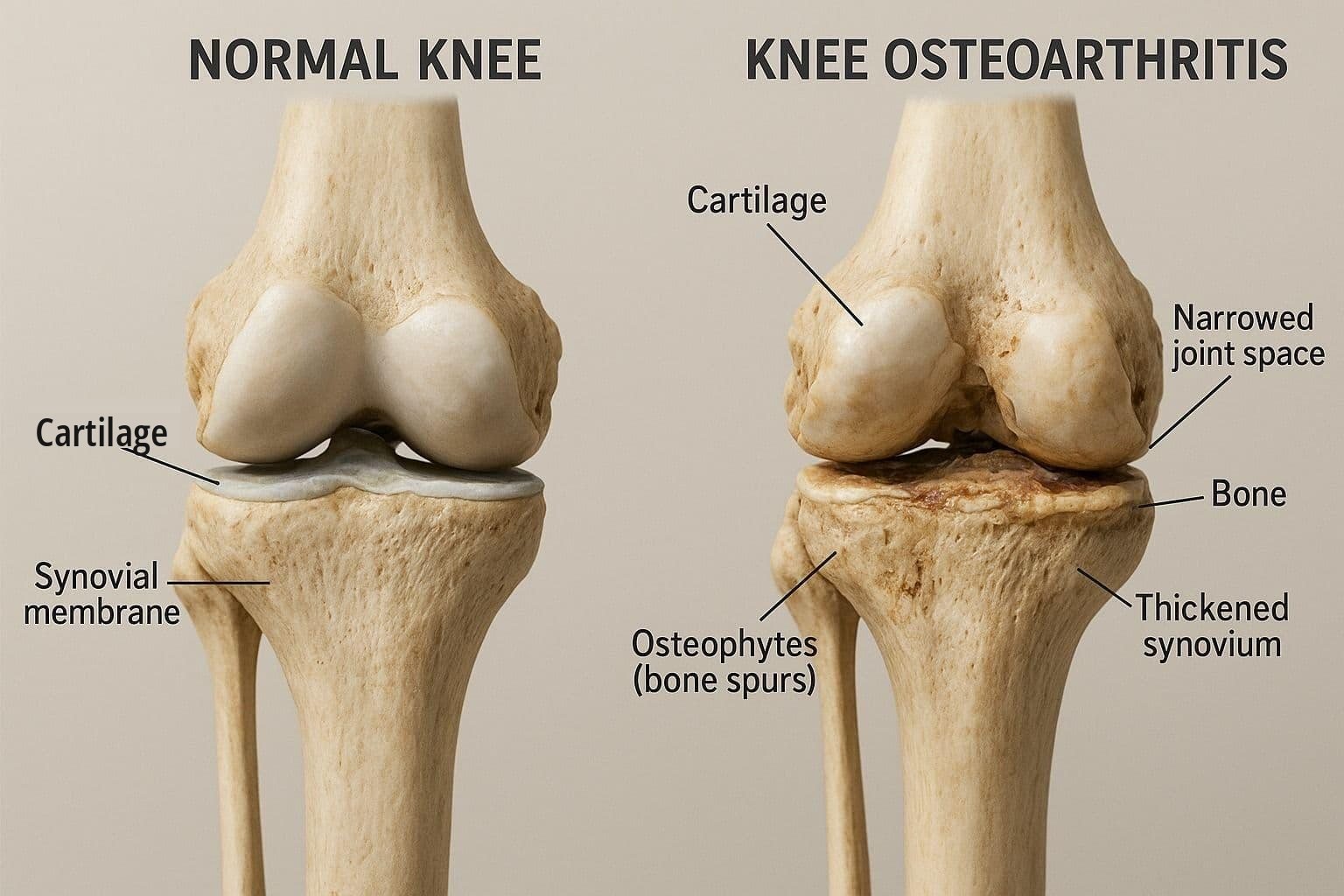
Knee pain is one of the most common musculoskeletal problems affecting people of all ages. It can make everyday activities such as walking, climbing stairs, sitting, standing and exercising difficult. While some cases of knee pain improve with rest and basic care, persistent or severe pain may require professional medical evaluation.
At Iqbal Memorial Hospital, Jhang, we believe that understanding the causes of knee pain is the first step towards better joint health and improved mobility.
What Is Knee Pain?
Knee pain refers to discomfort, stiffness or inflammation in or around the knee joint. It may develop suddenly following an injury or gradually due to ageing, joint degeneration or repetitive stress.
The pain may affect one or both knees and can range from mild discomfort to severe pain that interferes with daily activities.
Common Causes of Knee Pain
Several conditions can contribute to knee pain, including:
1. Osteoarthritis
Osteoarthritis is a common cause of knee pain, particularly among older adults. It occurs when the protective cartilage inside the joint gradually wears down, resulting in pain, stiffness and reduced movement.
2. Ligament Injuries
Injuries involving the ACL, PCL, MCL or other knee ligaments can cause pain, swelling and instability. These injuries commonly occur during sports or sudden twisting movements.
3. Meniscus Tear
The meniscus is a cartilage structure that helps absorb shock within the knee. A tear may cause pain, swelling, clicking sensations and difficulty bending or straightening the knee.
4. Patellofemoral Pain Syndrome
This condition causes pain around or behind the kneecap. It may become worse while climbing stairs, squatting, running or sitting for extended periods.
5. Rheumatoid Arthritis
Rheumatoid arthritis is an autoimmune condition that can cause inflammation, swelling, stiffness and pain in the knee joints.
6. Bursitis and Tendinitis
Inflammation of the bursae or tendons around the knee can produce localized pain, tenderness and difficulty with movement.
Common Symptoms of Knee Problems
Depending on the underlying condition, symptoms may include:
- Pain while walking or standing.
- Swelling around the knee joint.
- Stiffness, especially in the morning.
- Difficulty climbing stairs.
- Clicking or grinding sensations.
- Reduced knee movement.
- A feeling that the knee may give way.
- Difficulty sitting or standing for long periods.
How Is Knee Pain Diagnosed?
Accurate diagnosis is essential for selecting the appropriate treatment.
A doctor may recommend:
- Detailed medical history and physical examination.
- X-rays to assess bone and joint changes.
- MRI scans to evaluate ligaments, cartilage and other soft tissues.
- Blood tests when inflammatory or infectious conditions are suspected.
Not every patient requires all these investigations. The appropriate tests depend on the symptoms and clinical examination.
Treatment Options for Knee Pain
Treatment depends on the cause, severity and duration of the condition.
1. Medication
Doctors may prescribe suitable pain-relieving or anti-inflammatory medications depending on the patient’s medical history and condition.
2. Physiotherapy
Physiotherapy helps improve muscle strength, joint flexibility, balance and mobility. Specific exercises can strengthen the muscles supporting the knee.
3. Lifestyle Modifications
Maintaining a healthy body weight, avoiding excessive joint stress and following appropriate physical activity recommendations can help reduce knee discomfort.
4. Injection-Based Treatments
Selected patients may benefit from specific intra-articular injections or other minimally invasive pain management procedures after proper clinical assessment. Read more in our guide to PRP therapy for knee arthritis.
5. Surgical Treatment
Severe injuries, advanced joint damage or certain structural problems may require surgical intervention. The decision depends on individual patient assessment.
When Should You See a Doctor?
Do not ignore knee pain if you experience:
- Severe or persistent pain.
- Significant swelling.
- Difficulty walking or bearing weight.
- Knee locking or repeated instability.
- Pain following an accident or sports injury.
- A hot, red knee accompanied by fever.
A suddenly painful, hot and swollen knee, particularly with fever, requires urgent medical evaluation.
How Can You Prevent Knee Pain?
You can support your knee health by following these recommendations:
- Maintain a healthy body weight.
- Exercise regularly with appropriate low-impact activities.
- Strengthen the thigh and supporting muscles.
- Warm up before physical activity.
- Avoid sudden increases in exercise intensity.
- Wear comfortable and supportive footwear.
- Seek medical advice when pain persists.
Conclusion
Knee pain can affect mobility, independence and quality of life. Early diagnosis and appropriate treatment can help prevent complications and improve functional recovery.
If you are experiencing persistent knee pain, swelling or difficulty walking, consult a qualified healthcare professional for proper evaluation and treatment.
Iqbal Memorial Hospital, Jhang
Your health and mobility matter. Get professional medical guidance for bone, joint and musculoskeletal problems.
Address: Bhakkar Road, Jhang Sadar, Pakistan
Phone / WhatsApp: 0333-1700220
Book AppointmentWhatsApp